
With the UK government pledging millions to revitalise local journalism, Dean Cook explores the emergence of a new lean publishing model. By combining professional outsourcing with hyperlocal expertise, the next generation of community newspapers is bucking the national trend—offering a reputable, sustainable, and inclusive career path for independent creators.
In an era dominated by the fleeting nature of social media, a quiet revolution is taking place in the UK’s media landscape. The government’s recently unveiled Amplify: The Local Media Action Plan signals a significant shift in how community information is valued, funded, and produced. For the modern publishing professional, this marks the beginning of a "scalable era" — where high-quality local journalism no longer requires a massive corporate newsroom, but rather a streamlined, expert-led production model.
Data-Driven Success: Bucking the National Trend
While national headlines often focus on the decline of print, recent independent research proves that the hyperlocal newspaper model is not only thriving but expanding. A March 2026 survey of 600 residents across Hailsham and Bexhill — conducted by insight6 — found that nearly 60% of residents had read or looked through their local free newspaper in the past four weeks.
These findings, published in InPublishing, reveal that 45% of respondents engage with every or most issues. Crucially for advertisers, over 55% of readers notice the adverts, with that figure rising to 70% in certain areas. This data confirms that well-distributed, community-focused print titles maintain a level of trust and visibility that digital-only platforms struggle to replicate.
Read the full research report here: Independent survey shows hyperlocal newspapers bucking trend.
A Model for Modern Inclusivity: Unlocking Dormant Talent
The beauty of this new, scalable approach is its inherent inclusivity. Because the model relies on high-level skills rather than physical presence in a central office, it opens the door to a wealth of "dormant" talent. It is a perfect opportunity for recent retirees with decades of professional experience, parents balancing part-time commitments, or those who may be unable to perform physically demanding roles but possess sharp editorial minds.
This democratisation of publishing means that as long as you have the vision and the local knowledge, the barriers of traditional employment no longer apply. It turns local journalism into a viable, flexible career path for anyone with a story to tell.
Reputation Matters: Newspaper vs. Magazine
The government’s action plan reinforces a crucial distinction: the authority of the newspaper. According to the DCMS, local newspapers are the primary providers of "public interest journalism." Unlike lifestyle magazines, newspapers are perceived as reputable pillars of democracy that hold local institutions to account. This "reputational premium" is why the government is prioritising newspapers for statutory notices and public information campaigns.
Architectural Support: Structuring Your Business for Growth
Moving from a vision to a physical publication requires more than just an editorial instinct; it requires a robust business framework. Paul Gibson, MD of Regional Media Group, is a specialist in the hyperlocal news sector and the driver behind the successful hyperlocal newspapers in East Sussex, provides the proven digital platforms and structural guidance necessary to launch these titles.
Whether you are looking for a franchised setup, a co-directorship, or seeking to remain a purely independent entity, Gibson offers first-hand support, mentoring, and guidance. This collaborative approach allows editors to lean into his extensive experience and his advocacy for government funding, making it possible for a one-person business to operate with the impact of a much larger organisation.
Production Power: Scalability Through Expert Outsourcing
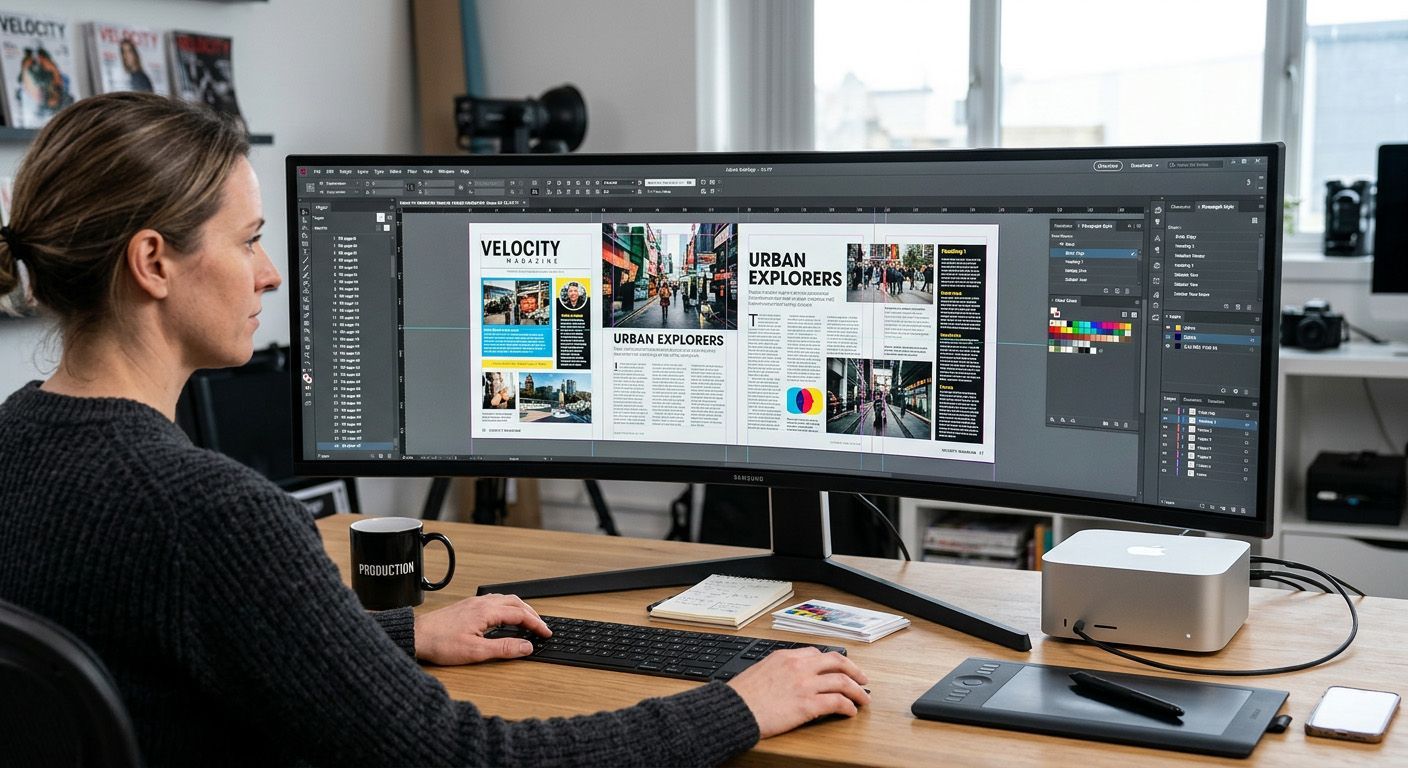
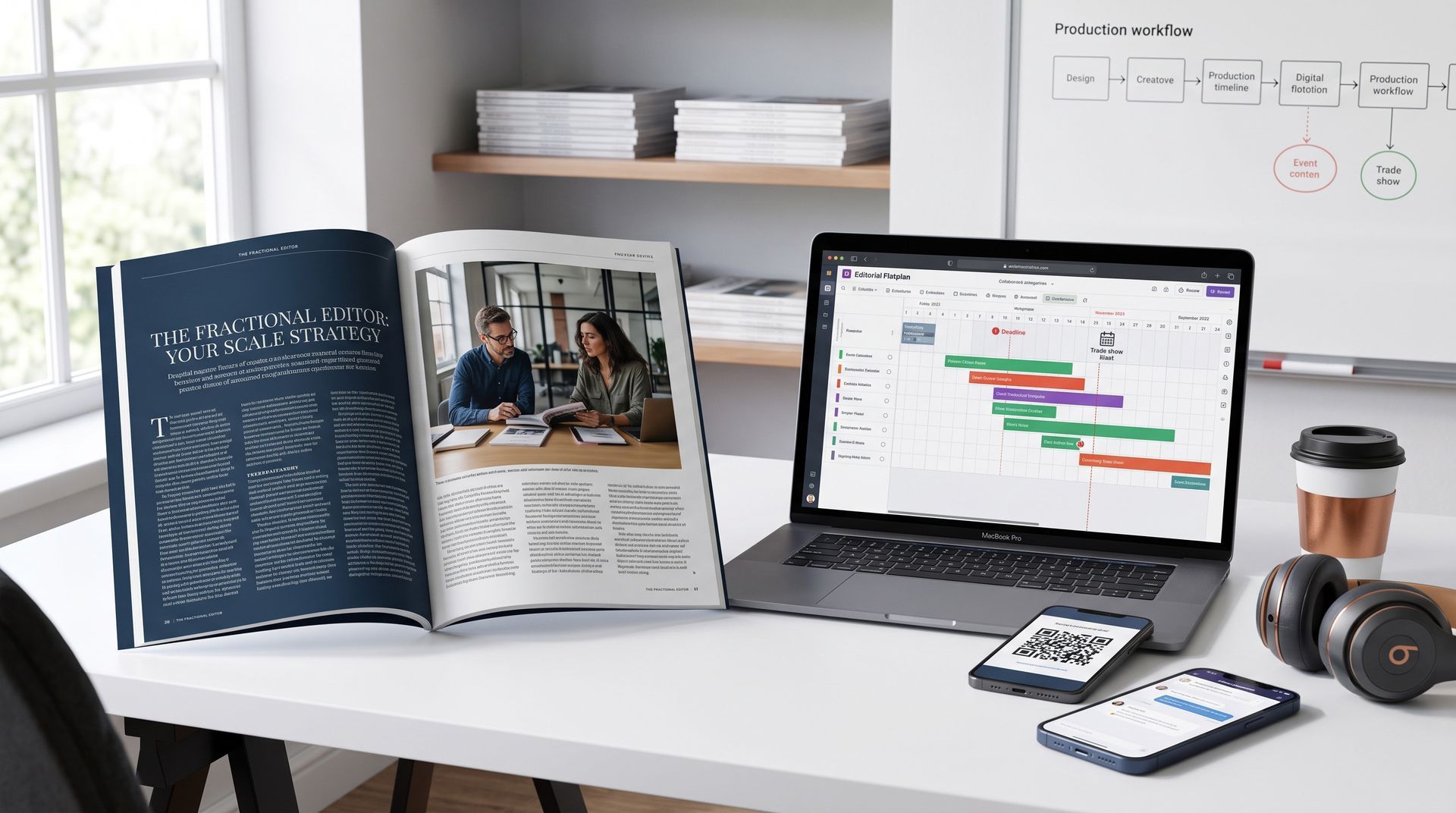
To remain scalable, a local paper must avoid the "people-heavy" costs of the past. The Magazine Production Company provides the professional engine for this new model, offering high-end design, print coordination, and digital production services.
By outsourcing the technical heavy lifting, an editor can focus entirely on newsgathering and community engagement. This "production-as-a-service" model ensures that every issue meets the aesthetic and functional standards expected of a reputable newspaper, without the publisher needing to manage an internal design team. It is a lean, professional, and highly scalable solution for the modern age.
The Roadmap to Success: Engaging with the National Vision
The Amplify: Local Media Action Plan is a strategic blueprint for the next decade of British publishing. Prospective publishers are strongly encouraged to read the full government outlines to understand how their goals for community growth align with national funding priorities.
TUNE in to a deep-dive DISCUSSION
Start the Conversation
There has never been a better time to "sew the seed" of a new publication. By combining Paul Gibson’s structural mentorship and proven readership models with the scalable design expertise of The Magazine Production Company, local creators can build a sustainable, reputable business.
To discuss partnership opportunities or to see examples of successful hyperlocal newspapers like Hailsham News, Bexhill News, Eastbourne News and Crowborough News contact Paul Gibson today. Learn how to transform your local journalistic skills into a thriving, professionally produced newspaper.
#AmplifyLocalMedia #hyperlocalnews #newspaper #PrintIsNotDead #HowToStartALocalNewspaper
The post 'The Scalable Era: Why Local Newspapers are the New Frontier for Independent Publishers' appeared first on
The Magazine Production Company.
Click here to go back to the main articles page.
Share this content!
Read more of our articles